We've got four new cases.
I remember back in early 2020 waiting with trepidation for the latest case updates. That feeling's back.
The City of Edmonton has just confirmed four new cases of Dutch elm disease. Two in Rossdale, two in Glengarry.
- New cases
- 4
- Cases in three weeks
- 7
- Cases since 2024
- 14
Seven cases in three weeks. That's half of all cases since 2024.
In my recent video I talked about how the intense storms have made us vulnerable to a huge uptick in Dutch elm. And boy are we looking vulnerable right now.
The process is working
Here's the good news. These four trees were found within the existing protocol zones. That's the area that's being intensely monitored by the city. And it was visual inspection by city staff that identified them.
The protocol zones will now be expanded to include everything within a one-kilometre radius of the new cases.
If we want to contain Dutch elm, we're going to have to be more proactive in prevention. Elms without the disease, but otherwise struggling or in decline, might need more aggressive removal to prevent the disease from targeting them.
Dutch elm is a lot like rabies for trees. Once an elm is infected, it's fatal.
Whyte Ave is set up to fail
And I've heard from a source that Whyte Ave is going to be feeling some of that very soon.
The elms on Whyte Ave are, in a lot of ways, set up to fail. They have small soil cells to grow in, and windrows of salt and sand get dumped on them every winter.
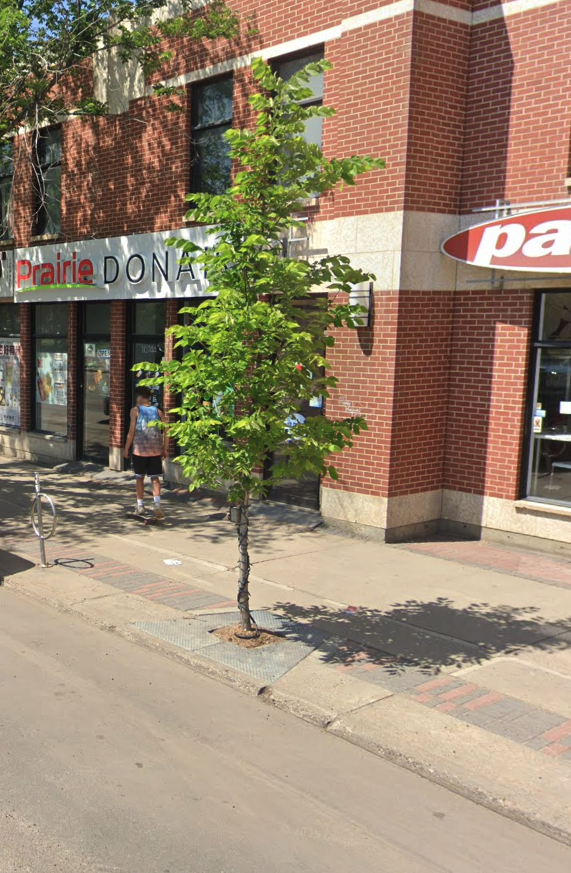
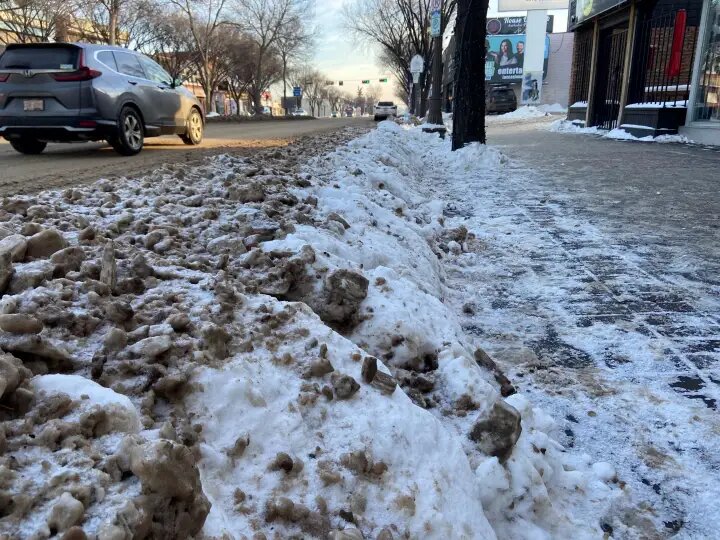
It's not great conditions, leading to struggling trees. Elm bark beetles love struggling trees.
I've heard that up to 40 elm trees along Whyte Ave and the surrounding boulevards could be removed this summer. I've reached out to the city's urban forestry department for confirmation and maps of any planned removal near Whyte. They've responded, but they need some time to gather details and maps. Understandably, they're quite busy right now.
If it does happen, it'll be brutal. Whole stretches of Whyte Avenue are going to look very different. And feel much hotter.
Declining elms were removed east of 99th Street about a decade ago. Here's the area in 2012, and then in 2016.
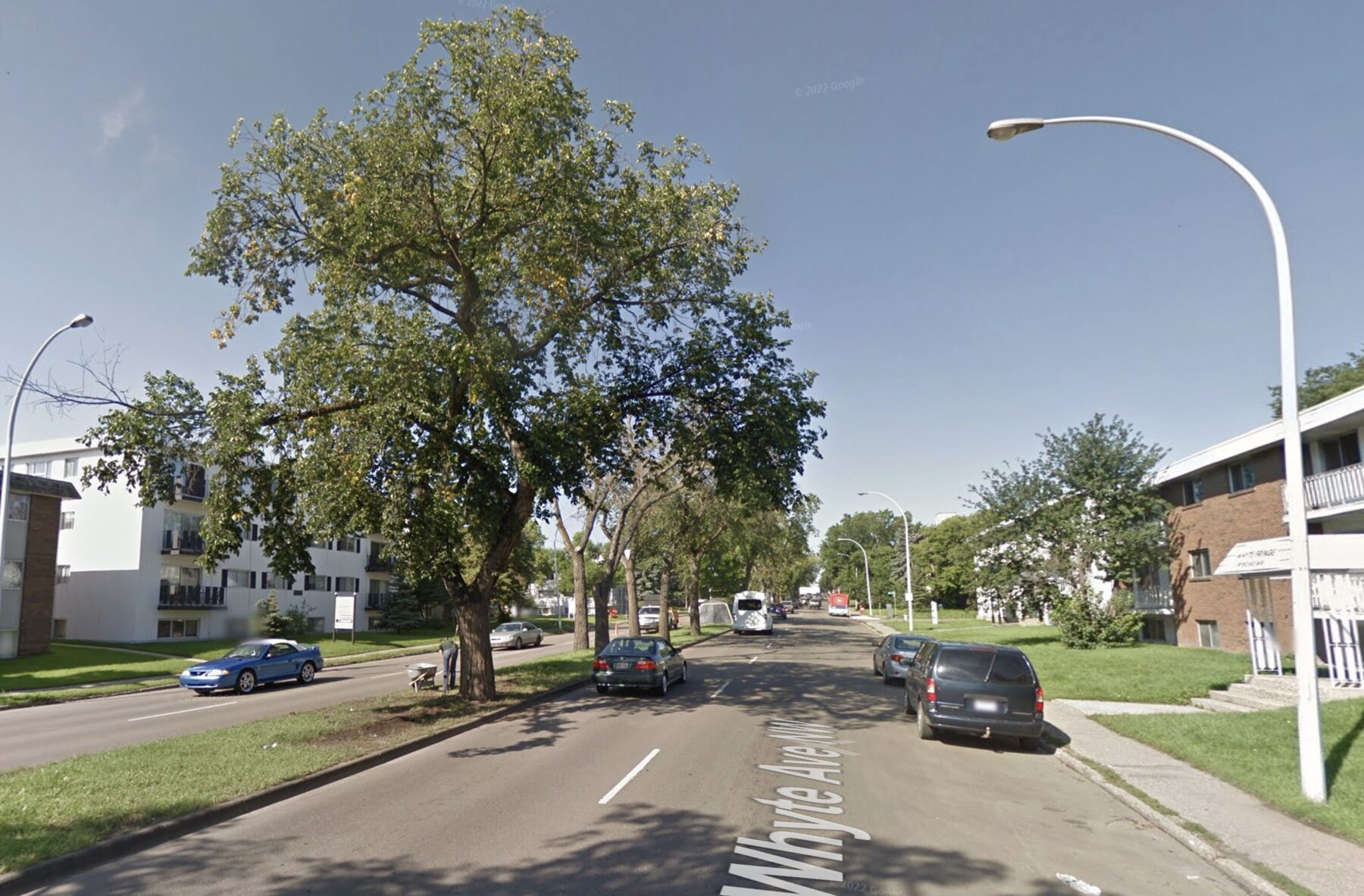
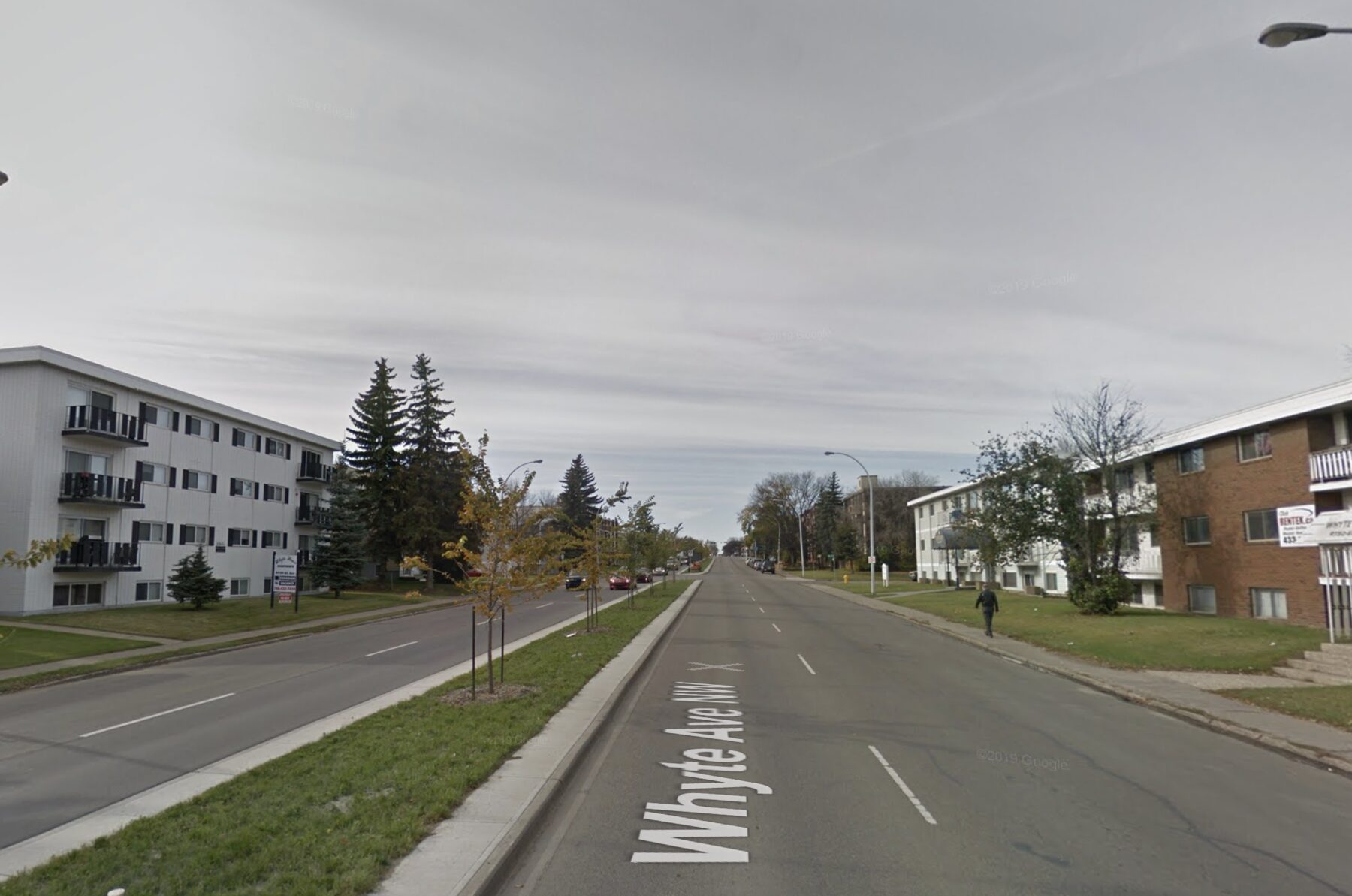
That's what proactive removal because of pollution and salt looked like. Now imagine that faster and citywide.
That's a city with Dutch elm. It's not just a few sick trees. It means losing some of the biggest, oldest, and most beautiful trees in Edmonton, sometimes before they're infected, just to stop the disease from spreading.
Even if we replace them with more resilient species, it'll take decades before they provide the same shade and cooling that these mature elms do.
Buckle up, team. We're already on the ride.
Update, August 6: The city got back to me. Their regular assessments found 51 trees along Whyte Avenue in poor condition, and 47 of them are elms. All 51 are coming out. Here's their map.
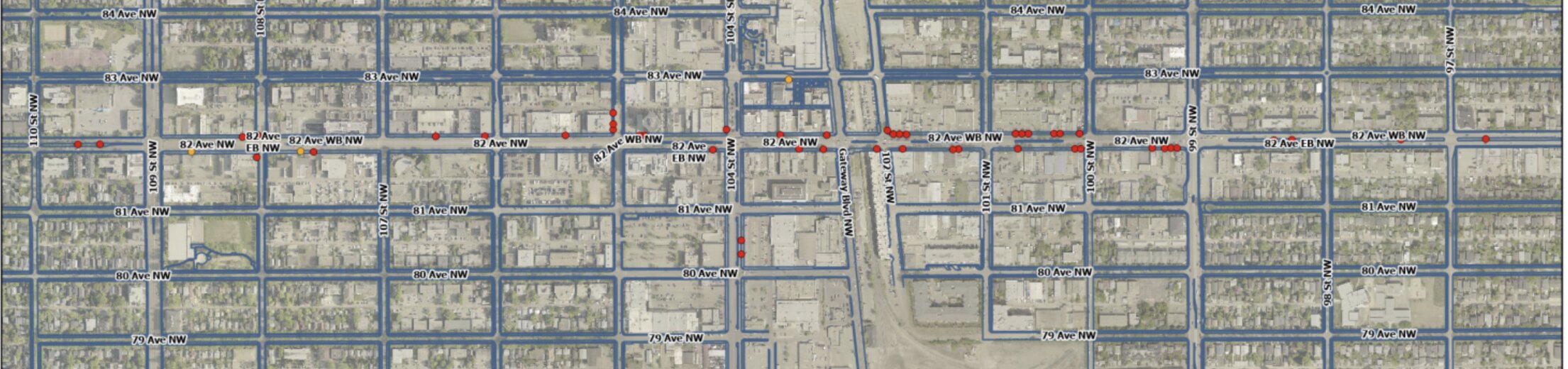
City of Edmonton map. Red dots are elms; orange are bur oaks.
Officially, these removals are “part of regular operations and not part of the City’s Dutch elm disease response.” But the beetles that spread it go for dead and dying wood, and when I asked, the city confirmed that removing elms in poor health “helps eliminate the habitat for the beetles.”
So it's not the Dutch elm response. It just helps with the Dutch elm response.
Every tree is supposed to be replaced within a year. They might be elms. They might not be. The City says it's “planting fewer elms and more of a variety of species.”
Get my news and takes in your inbox
Don't let algorithms control whether you see my latest video or article. We don't need to include Mark Zuckerberg in our relationship.
Free. Emails from Troy Pavlek when I publish something new. Unsubscribe any time.
That didn't go through. Try again in a minute, or email [email protected].
You're in. Thanks for subscribing!